
Table of Contents
ToggleWhether you’re hanging shelves, building a deck, or tackling a full bathroom remodel, having reliable power tools makes the difference between a frustrating weekend and one where you actually finish the job. Kobalt power tools have carved out solid ground in the DIY market, offering a practical middle ground between budget brands and premium options. This guide walks you through what Kobalt brings to your workshop, which tools deserve a spot on your shelf, and how they stack up against the competition so you can make an informed choice for your next project.
Key Takeaways
- Kobalt power tools deliver solid performance for DIY projects at a 15–25% price advantage over premium brands like DeWalt, making them an ideal middle-ground choice for homeowners.
- The 40V battery system is interchangeable across all Kobalt tools, allowing you to invest in multiple tools while sharing batteries and reducing overall equipment costs.
- A functional DIY workshop needs just three core Kobalt power tools: a cordless drill-driver for precision work, an impact driver for fastening into dense materials, and a rotary hammer for concrete or masonry projects.
- Kobalt tools include practical safety features like electronic braking, LED work lights, and ergonomic grips, plus a straightforward 3-year limited warranty on tools and batteries.
- Lithium-ion batteries last 3–5 years with proper care; store them in temperature-controlled environments and rotate between two batteries for uninterrupted project work.
- A basic 40V Kobalt kit eliminates the frustration of power tools that fail mid-project, transforming weekend work into jobs you can actually finish reliably.
What Makes Kobalt Power Tools Stand Out for Home Projects
Kobalt’s reputation rests on delivering solid performance without the premium price tag attached to household names like DeWalt or Makita. The brand, owned by Lowe’s, focuses on tools that handle typical homeowner jobs: drilling, driving, cutting, and fastening without unnecessary complexity.
One key strength is their 40V battery system, which bridges the gap between cordless convenience and enough power for most home projects. You won’t be running a professional cabinet shop on 40V, but you’ll handle deck building, interior walls, and furniture assembly without reaching for corded tools. The batteries are interchangeable across their tool lineup, so investing in multiple Kobalt tools means sharing one or two batteries across your collection.
Safety and ease of use come built in. Kobalt tools include features like electronic braking (stops the chuck immediately when you release the trigger), LED work lights on most models, and ergonomic grips that don’t feel like torture devices after 30 minutes of use. These aren’t flashy additions, they’re the practical touches that matter when you’re balancing a drill one-handed while steadying a shelf bracket with the other.
The warranty is straightforward: typically a 3-year limited warranty on tools and batteries. That’s not industry-leading, but it’s honest coverage. You know upfront what’s protected without hunting through fine print.
Essential Kobalt Tools Every DIY Enthusiast Should Own
Building a functional home workshop doesn’t require dozens of tools. A few core pieces handle 80% of household projects, and Kobalt offers solid versions of each.
Cordless Drills and Drivers
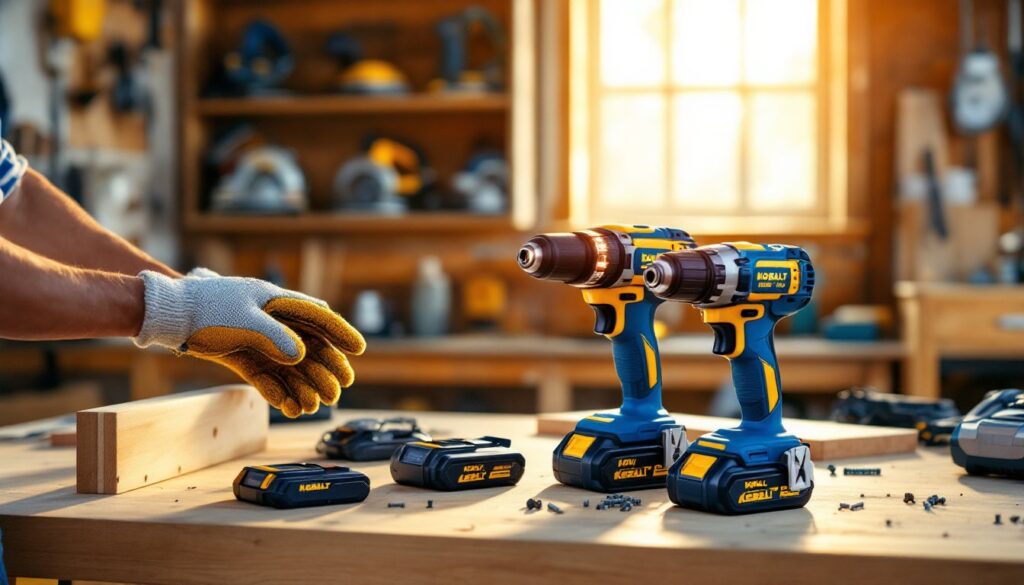
The Kobalt 40V drill-driver is the workhorse of any DIY toolkit. Unlike impact drivers (which we’ll cover next), a traditional drill offers variable speed, critical when you’re drilling pilot holes in hardwood or setting drywall screws without snapping them. The 1/2-inch chuck accepts standard bits, and the two-speed transmission (0–450 RPM and 0–1,500 RPM) gives you control from delicate work to muscling through tougher materials.
Choose one with a built-in LED work light, it’s not luxury, it’s practical. Basements, attics, and kitchen cabinets are dim. You’ll use that light every single time.
Battery runtime varies by model, but expect 20–40 minutes of mixed use on a single charge, depending on the task and battery capacity (measured in amp-hours, or Ah). A 2.0 Ah battery is lighter and faster to charge: a 4.0 Ah lasts longer but weighs more. Most homeowners find one 4.0 Ah battery and one 2.0 Ah sufficient, swap them while one charges.
Impact Drivers and Rotary Hammers
An impact driver is a different animal from a drill. It delivers bursts of rotational force, making it ideal for driving fasteners (deck screws, lag bolts) into dense materials without bogging down. If you’re building a fence or deck, an impact driver saves your wrist from twisting and your patience from watching a regular drill labor through hard wood.
The trade-off: impact drivers are overkill for driving drywall screws into studs or drilling pilot holes. That’s where your cordless drill shines. In a real workshop, you’d own both.
Kobalt’s rotary hammer enters the conversation when you’re anchoring into concrete or masonry. If you’re hanging a TV on a concrete basement wall or fastening a ledger board to your brick home, a rotary hammer with a SDS chuck delivers the percussive force necessary. Avoid concrete without one, you’ll destroy a regular drill and your patience. Rotary hammers generate significant noise and vibration, so proper ear protection (earplugs or earmuffs rated for at least 85 dB) and work gloves are non-negotiable.
Not every homeowner needs a rotary hammer immediately, but the cost is reasonable enough that if masonry work appears on your horizon, adding one to your kit makes sense.
Kobalt vs. Other Power Tool Brands: How They Compare
Understanding where Kobalt fits in the broader tool ecosystem helps you decide if it’s the right fit.
Kobalt vs. DeWalt: DeWalt owns professional and contractor loyalty through years of job-site reliability. Their 20V and 60V systems are ubiquitous on construction sites, and resale value is strong because used DeWalt tools command trust. Kobalt’s 40V system is less common in the pro world but adequate for home use. Price-wise, Kobalt undercuts DeWalt by 15–25% on comparable models. If you’re a serious hobbyist or weekend warrior, Kobalt delivers solid value: if you’re running a small carpentry business, DeWalt’s reputation and parts availability matter more.
Kobalt vs. Makita: Makita spans budget-friendly and professional ranges. Their 18V and 36V systems are well-established, with a huge accessory ecosystem. Makita tools are generally lighter and more compact than Kobalt equivalents, which matters if you’re working overhead or in tight spaces for hours. But, Makita pricing is comparable to or higher than Kobalt for similar specs. For homeowners, the weight difference is minor over occasional weekend projects: professionals favor Makita’s precision and runtime.
Kobalt vs. Budget Brands: Discount retailers stock no-name 20V systems at rock-bottom prices. They work, until they don’t. Battery degradation happens faster, motors overheat under load, and customer support ranges from nonexistent to unhelpful. Kobalt sits firmly above this tier. You’re paying for reliability and decent warranty coverage. Independent reviews on CNET often test mid-range brands like Kobalt alongside premium competitors, revealing honest performance gaps.
The verdict: Kobalt is the practical middle choice. You’re not overpaying for professional credentials, but you’re not rolling the dice on durability either.
Choosing the Right Kobalt Tools for Your Workshop
Not every homeowner needs every tool, and budget constraints are real. Prioritize based on projects you actually do or plan to tackle.
Start with a cordless drill-driver and an impact driver. These two handle 80% of household fastening and boring tasks. If you work with concrete or masonry, hanging shelves on a brick fireplace, anchoring outdoor structures, add a rotary hammer. If you cut a lot of wood, framing, trimming, building furniture, a Kobalt circular saw or miter saw matters more than another specialty tool.
Consider your workspace. A miter saw takes up real estate: a circular saw is portable and stores easily. Resources like Family Handyman offer detailed project tutorials that show which tools each job actually requires, helping you avoid buying tools for hypothetical projects.
Battery System Compatibility
This is where Kobalt’s ecosystem shines. All 40V tools use the same battery platform. Buy a kit with one battery and charger, then add individual tools without repurchasing batteries. Two batteries (rotating use while one charges) is the sweet spot for most homeowners.
Kobalt also makes 20V and 24V tools in specific categories. Don’t mix systems, a 20V battery won’t power a 40V tool. Before buying, confirm the voltage of tools you’re considering. Most drill-drivers and impact drivers come in 40V: some specialty tools sit at 20V. Check product labels: it’s printed clearly.
Battery degradation is real. Lithium-ion batteries (Kobalt’s standard) lose capacity over years, especially with frequent deep discharges. Expect 3–5 years of solid performance before noticeable decline. Replacement batteries are available separately, typically in the $60–$120 range depending on capacity. That’s cheaper than replacing tools, so longevity isn’t a deal-breaker.
Store batteries in a dry, temperature-controlled space, not a freezing garage in January or a hot shed in July. Extreme temperatures degrade performance and lifespan. A simple cordless tool charger mounted in a basement workshop or inside garage keeps batteries ready and protects them from the elements.
For homeowners tackling renovation projects, detailed how-to guides on Instructables often feature tool setups and recommend battery combinations for specific jobs, giving you a realistic preview of what you’ll actually use.
Making Your Decision
Kobalt power tools represent a smart investment for homeowners who want reliability without paying premium prices. They perform well on typical household projects, batteries are interchangeable across the lineup, and customer support is accessible through Lowe’s locations nationwide. You won’t regret starting with a basic 40V kit, and once you’ve used quality tools for a few projects, you’ll understand why proper equipment makes the work actually enjoyable instead of just tolerable.