
Table of Contents
ToggleBuilding a home workshop isn’t about buying every tool in the hardware store. It’s about investing in the right power tools that’ll last through hundreds of projects and actually make the work easier instead of creating frustration. Whether you’re hanging shelves, building a deck, or refinishing furniture, quality power tools are the foundation of successful DIY work. The best power tools balance durability, performance, and price, and they’re more affordable than ever in 2026. This guide walks you through what you actually need, why it matters, and how to pick tools that fit your skill level and budget.
Key Takeaways
- Quality power tools offer better durability, safety, and performance than cheap alternatives, ultimately saving money by reducing replacements and project failures.
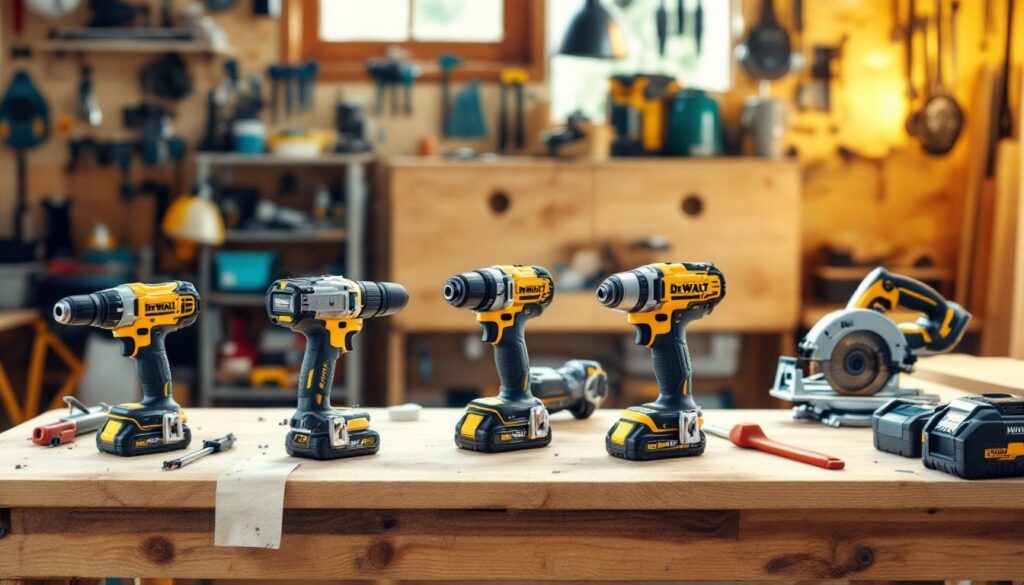
- Beginner workshops should prioritize four core tools: a cordless drill, impact driver, circular saw, and jigsaw—these handle 80–90% of typical home projects.
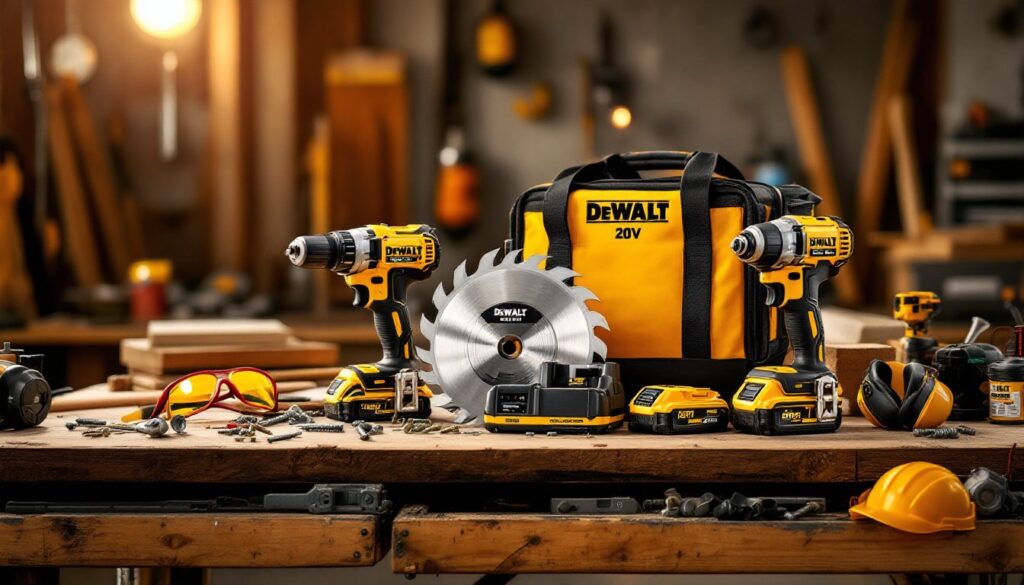
- Investing in a single manufacturer’s battery platform (DeWalt, Makita, Milwaukee, Ryobi) ensures batteries interchange between power tools and reduces charger clutter.
- Advanced power tools like miter saws, table saws, and orbital sanders unlock larger projects, but should only be purchased if you’ll use them 5–10 times annually—otherwise, renting is more cost-effective.
- Brushless motors last 2–3 times longer than brushed versions and are worth the minimal price difference when comparing best power tools for long-term value.
- Proper technique and safety—wearing eye protection, using blade guards, and respecting tool power—directly prevent injuries and improve project results.
Why Investing in Quality Power Tools Matters for Your Projects
Cheap power tools break. Really, they break often and at the worst possible moment, halfway through a cut or mid-drill. A budget drill that slips off-center doesn’t just waste materials: it ruins the finished piece and kills your confidence. Quality tools maintain consistent speed under load, hold accuracy longer, and give you better control, which directly translates to better results.
There’s also a safety angle. A underpowered saw that binds or stalls can kick back unexpectedly. A drill that suddenly reverses can twist your wrist. Investing in tools from established manufacturers means better engineering, proper safety guards, and actual warranty support if something goes wrong. Many homeowners find that buying fewer, better tools upfront costs less than replacing cheap ones every couple of years.
The right tool also makes projects faster and less exhausting. A cordless impact driver with proper torque finishes exterior fastening in half the time of a corded drill. A miter saw cuts angles square and clean, while a circular saw leaves you squinting at crooked lines. Time saved is energy preserved, and that means you’ll actually finish projects instead of abandoning them halfway.
The Must-Have Power Tools for Beginners
When you’re starting out, focus on versatility. A small core set handles 80% of typical home projects and won’t overwhelm a new workshop.
Cordless Drills and Impact Drivers
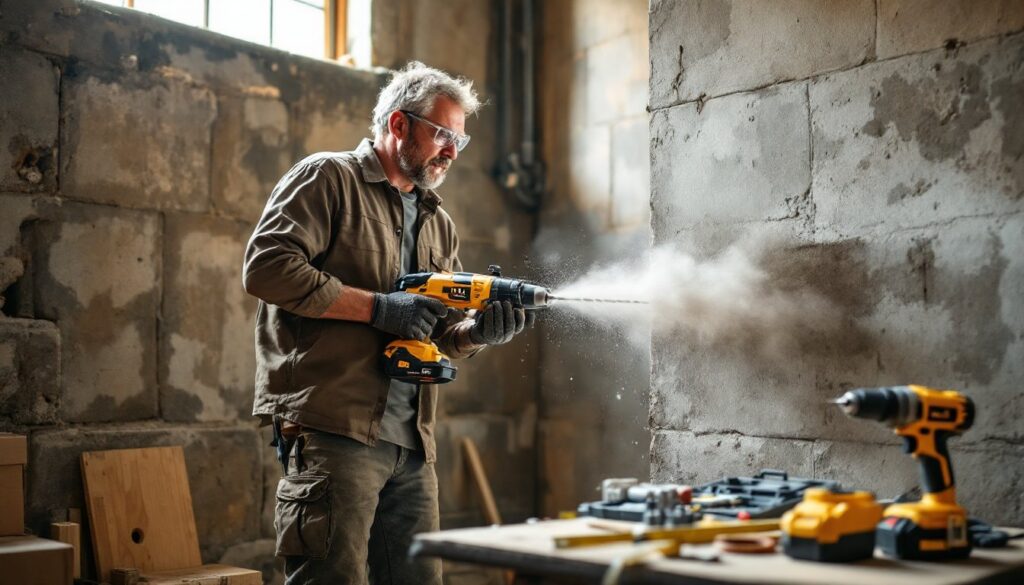
A cordless drill-driver (usually 18V to 20V) is the first tool most beginners should buy. It drills holes, drives screws, and mixes paint with a paddle attachment. Look for one with adjustable clutch settings, this prevents you from stripping screws or cracking drywall by letting you set how much torque the tool applies before slipping.
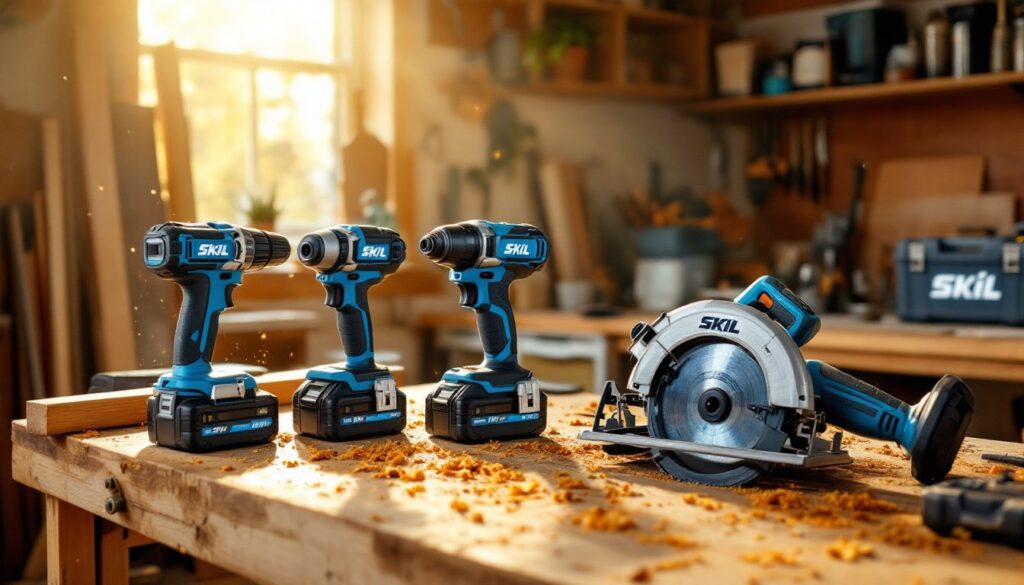
The impact driver looks similar but works differently. Instead of continuous rotation, it delivers rapid bursts of rotational force. This makes driving long screws, deck fasteners, and lag bolts dramatically easier and faster than a drill alone. If a drill struggles to drive a 3.5-inch exterior screw, an impact driver breezes through it. Together, a drill and impact driver from the same brand (so batteries swap) cost $150–$300 and handle 90% of fastening work.
Battery capacity matters more than you’d think. An 18V lithium-ion battery (2.0 Ah minimum, 4.0 Ah preferred) runs longer and holds charge better than older nickel-cadmium types. Two batteries, one charging while you use the other, keeps you from stopping work. Most quality sets come with two batteries and a charger.
Circular Saws and Jigsaws
A 7.25-inch cordless circular saw cuts lumber, plywood, and trim with speed. It’s handheld and lightweight, making it perfect for crosscutting boards, ripping rough dimensions, and breaking down sheet goods. The circular saw is noisier and dustier than a miter saw, but it’s portable and costs $80–$150. Always keep the blade guard in place, wear eye protection and a dust mask, and never reach under the blade while it’s running, this is where injuries happen.
A jigsaw cuts curves, notches, and intricate shapes that a circular saw can’t touch. You’ll use it for cutting around pipes, creating decorative edges, or fitting cabinet openings. A cordless jigsaw ($70–$120) is easier to control than a corded one and plenty powerful for wood up to 1.5 inches thick. The learning curve is gentle, and beginner mistakes are usually just jagged lines, not safety hazards.
Both saws have Tool Usage Tips: Master your DIY projects with proper technique. Start slow on curves with a jigsaw and let the circular saw do the work, don’t force it through thick material.
Advanced Power Tools for Serious DIY Projects
Once you’re comfortable with basics, these tools unlock bigger projects like cabinet building, deck construction, and finishing work.
Miter saws (10-inch or 12-inch) are precision crosscutting machines. They cut angles and straight crosscuts in trim, framing lumber, and finish materials with repeatability that hand saws or circular saws can’t match. A standard miter saw costs $150–$300: a sliding compound model ($250–$500) adds left-and-right reach, cutting wider pieces. If you’re building raised beds, fence sections, or deck boards, a miter saw is worth every dollar. Safety note: Never reach around the blade or pull material out while the blade spins, wait for it to stop completely.
Table saws rip boards lengthwise and make dados (grooves) for shelving and cabinetry. A contractor-style or jobsite table saw ($300–$600) gives you a 10-inch blade and enough power for hardwood. This is legitimate equipment, treat it with respect. A table saw demands a comprehensive review of over 40 cordless power tool sets from major brands, which helps beginners understand what professional carpenters actually use.
Orbital sanders smooth surfaces faster than hand sanding and produce more consistent results. A random orbital sander ($80–$150) is gentler on wood than a belt sander and works for finishing work. For refinishing furniture or prepping walls for paint, it’s a game-changer. Always wear a dust mask, sanding creates fine particles that irritate lungs.
Reciprocating saws cut through anything from nails in old framing to PVC pipe. Demolition work, plumbing cuts, and rough carpentry are where this tool shines. Cordless models ($100–$200) are loud and shake noticeably, but the speed and cutting ability justify it. This is heavy-duty equipment, firm two-handed grip required.
Brad nailers and nail guns drive fasteners without hammering, which is faster and more accurate for trim and cabinetry. Pneumatic models ($30–$80) require a compressor: cordless electric versions ($80–$200) are more convenient. For finish work, a brad nailer is essentially mandatory, hand-nailing trim consistently leads to bent nails and popped heads.
How to Choose Quality Power Tools on Your Budget
Start by determining what projects you actually plan to do in the next year or two. If you’re hanging shelves and painting, a drill and circular saw are enough. If you’re building cabinets or decking, add a miter saw and orbital sander. Don’t buy tools “just in case”, unused tools are wasted money.
Brand consistency matters more than brand name. Stick with one manufacturer’s battery platform (DeWalt, Makita, Milwaukee, Ryobi, etc.) so batteries interchange and you’re not carrying six chargers. This also simplifies storage and makes sense economically, you buy batteries once, then swap them between tools.
Ask yourself whether you’ll use a tool at least 5–10 times per year. If the answer is no, rent it. A miter saw you use twice annually should probably be a rental ($40–$60 per day) rather than a $300 purchase gathering dust. Tool rental shops exist for exactly this reason.
Condition is part of quality. New brushless motors (which don’t have carbon brushes that wear out) last 2–3 times longer than brushed versions and cost only slightly more. Asking whether a tool is brushless or brushed is a smart question at the store.
The Online Tool Shop: Unlock Your DIY Potential with the Best Deals and Tools when you’re comparing models across retailers. Compare not just price but included accessories, some kits include two batteries and a bag, while others include only one battery. That changes the real cost significantly.
Consumer reviews matter, especially on durability. Sites like Today’s Homeowner and Family Handyman publish real-world testing of tools under actual project conditions, which beats spec sheets. Look for feedback on battery life, longevity, and how the tool handles under load, not just whether it “works.” A tool that works fine for light duty but struggles under heavy use isn’t a bargain.
Finally, be honest about your skill level. A professional-grade table saw in your hands without training is more dangerous than a smaller, less powerful model used carefully. Quality doesn’t mean “most expensive”, it means “right for the job and your experience level.”
Conclusion
Building a workshop is a process, not a purchase. Start with a cordless drill, impact driver, circular saw, and jigsaw. Those four tools handle most beginner projects cleanly and safely. Add specialized tools as your skills grow and projects demand them. Invest in quality, durability and accuracy matter far more than low price tags. Your projects, and your hands, will thank you.