
Table of Contents
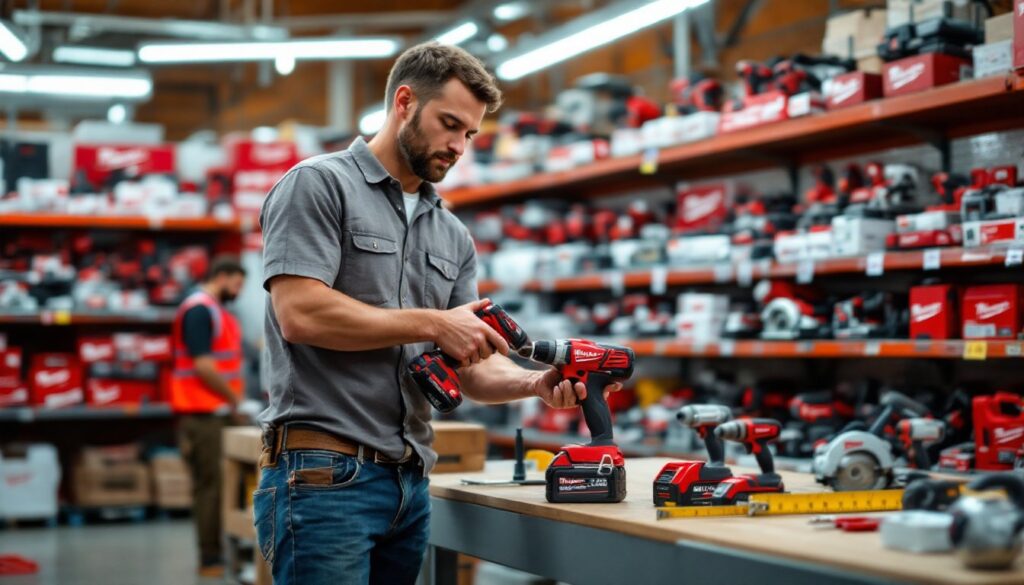
ToggleWhen it comes to tackling home improvement projects, having the right tools makes all the difference between a job done halfway and one that actually gets finished. Milwaukee Tools have become a go-to choice for both seasoned DIYers and homeowners stepping into their first renovation, and for good reason. At Ace Hardware, you’ll find a solid selection of Milwaukee’s power tools and hand tools designed to handle everything from assembling furniture to framing walls. Whether you’re upgrading your workshop or grabbing a single tool for a specific project, understanding what Milwaukee offers and how to choose the right equipment is the first step toward success.
Key Takeaways
- Milwaukee Tools at Ace Hardware prioritize durability and job-site reliability through brushless motor technology and solid warranties, making them ideal for both DIYers and homeowners.
- A drill-driver and reciprocating saw form the foundation of most home improvement projects, with impact drivers becoming valuable for heavy fastening work like deck screws and lag bolts.
- Milwaukee’s shared battery platform across tools reduces long-term costs by eliminating the need for multiple power sources when expanding your toolkit.
- Battery capacity (measured in Ah) affects runtime more than nominal voltage, so a 5.0Ah battery provides significantly longer runtime than a 1.5Ah battery in the same tool.
- Refurbished Milwaukee Tools from Ace Hardware offer full warranties at discounted prices and often outperform budget alternatives due to their professional-grade construction.
- Assess your specific projects and living situation before purchasing to avoid unnecessary expense—start with versatile basics and add specialized tools as projects demand.
Why Milwaukee Tools Stand Out at Ace Hardware
Milwaukee earned its reputation by focusing on durability and job-site reliability rather than chasing trends. The brand invests heavily in brushless motor technology, which reduces wear on internal components and extends tool lifespan compared to older brushed designs. You’ll notice Milwaukee tools feel heavier and more substantial in your hands than budget alternatives, that’s intentional engineering, not unnecessary weight.
Ace Hardware stocks Milwaukee because the brand backs its products with solid warranties and nationwide service support. If something breaks during a project, you’re not hunting through online retailers or waiting weeks for a replacement. Many Ace locations can help with warranty claims on the spot. The tool ecosystem also matters: Milwaukee’s battery platform is shared across dozens of tools, so investing in one 18-volt or 20-volt battery system gives you flexibility to add new tools without duplicating power sources.
For homeowners, Milwaukee’s mid-range offerings hit a sweet spot. You’re not paying premium contractor prices for industrial-grade gear you don’t need, but you’re also not settling for tools that’ll fail halfway through a project. Trade terminology aside, Milwaukee tools simply work consistently, which means less frustration and more likelihood you’ll actually finish what you start.
Essential Milwaukee Power Tools for Home Improvement
Drills and Impact Drivers
A compact drill-driver is often the first power tool homeowners buy, and Milwaukee’s 18-volt and 20-volt models are reliable workhorses for most DIY jobs. The difference between a drill and an impact driver matters more than most people realize. A drill applies rotational force smoothly, making it ideal for boring holes and driving screws in wood or drywall. An impact driver delivers rapid bursts of rotational force, making it significantly better for driving large fasteners, particularly deck screws or lag bolts into hardwood.
For most home projects, hanging shelves, assembling cabinets, building raised beds, a single compact drill-driver handles 80% of the work. If you find yourself regularly driving 3-inch deck screws or working with masonry anchors, adding an impact driver becomes worthwhile. Both tools typically come with variable speed triggers, allowing you to dial in exactly how fast you’re drilling or driving. This control prevents over-driving fasteners into drywall and helps when you’re working with delicate materials.
Battery runtime varies by model and capacity. A 1.5Ah battery runs lighter-duty drills for 30–45 minutes of intermittent use. A 5.0Ah battery or larger suits heavier projects but costs more upfront and takes longer to charge. Most homeowners benefit from having two batteries on hand, one charging while the other works.
Saws and Cutting Tools
Cutting tools are where Milwaukee excels for DIY complexity. A cordless reciprocating saw (often called a Sawzall, though that’s brand-specific terminology) makes demolition work, cutting through old framing, and trimming door frames dramatically faster and safer than a handsaw. The tool uses a push-pull blade motion, letting you cut almost anything: wood, nails embedded in lumber, plastic, drywall, even light metal with the right blade. Always wear safety glasses and work gloves when operating, the blade moves fast and unpredictably when it hits nails.
For crosscutting lumber or making angled cuts, a miter saw (a stationary tool with a rotating blade) beats a cordless circular saw for precision. Milwaukee makes both corded and cordless miter saws: the cordless versions suit homeowners avoiding extension cords, though they’re heavier. If you’re framing a wall or building a deck, a miter saw with a left-to-right laser guide helps align your cuts perfectly the first time, saving material waste and frustration.
A circular saw is lighter and more portable than a miter saw, making it practical for on-site cutting. It’s less precise for repetitive cuts but excels when you need to rip boards lengthwise or make crosscuts on uneven surfaces. The trade-off: kickback is possible if the blade binds, so maintain a firm grip and never reach under a spinning blade.
Reciprocating saws, miter saws, and circular saws all require steady hands and clear focus, fatigue kills accuracy and invites mistakes. Take breaks, and don’t rush through cuts.
Choosing the Right Milwaukee Tool for Your Projects
Before buying, honestly assess what you’ll actually use. A contractor buying tools for daily income can justify premium models and specialty equipment. A homeowner building a bookshelf doesn’t need a 7-inch professional-grade angle grinder. Start with versatile basics: a drill-driver, a reciprocating saw if you plan demolition work, and quality hand tools like a tape measure, level, and adjustable wrench. You can always add specialized tools as projects demand.
Consider your living situation too. If you’re in an apartment, corded tools or quieter electric models matter more than raw power. In a house with a garage or workshop, noise and cord length are less critical. Battery-powered tools cost more upfront but offer freedom from extension cords and allow quieter work during evening hours.
When evaluating specific models at Ace Hardware, ask staff about real-world runtime on a full charge, warranty terms, and whether parts are available locally. Milwaukee’s online specifications mention nominal voltage (the tool’s rated power) but actual performance depends on battery capacity. A 20-volt tool with a 1.5Ah battery and a 20-volt tool with a 5.0Ah battery deliver the same torque, but the larger battery runs longer between charges.
Don’t overlook used or refurbished Milwaukee tools if budget is tight. Many come with full warranties and perform identically to new units. Ace Hardware occasionally stocks refurbished inventory at discounts, and you can also find certified refurbished models through Milwaukee’s official channels. Research from homeowner reviews confirms that refurbished professional tools often outlast budget new alternatives because they’re built to handle real work, not just casual use. Many DIYers also benefit from understanding seasonal maintenance checklists to keep tools running smoothly year-round. For those committed to building a complete workshop, comprehensive power tool guides help you prioritize purchases wisely.
Conclusion
Milwaukee Tools at Ace Hardware represent a practical investment in reliability and longevity. Whether you’re assembling your first toolkit or upgrading existing equipment, the brand’s focus on durability and job-site dependability means you’re buying tools that’ll handle project after project. Visit your local Ace, handle a few models, and start with what your next project actually requires, you’ll build a capable workshop without unnecessary expense or clutter.