
Table of Contents
ToggleWhen it comes to tackling home projects, whether you’re framing a deck, installing shelving, or cutting trim, having reliable power tools makes the difference between a job well done and one that drags on for weeks. Hercules power tools have become a go-to choice for DIY enthusiasts who want dependable performance without very costly. These tools combine solid engineering with practical features that address real workshop challenges. Whether you’re a beginner picking up your first saw or an experienced DIYer expanding your collection, understanding what Hercules offers and how to choose the right tools for your projects can save you time, frustration, and money down the road.
Key Takeaways
- Hercules power tools deliver dependable performance for DIY projects at mid-range prices, balancing power and weight without premium costs.
- A basic Hercules workshop should include a cordless drill-driver, impact driver, circular saw, and miter saw to handle 90% of home improvement tasks.
- Battery ecosystem compatibility across Hercules tools reduces clutter and costs—investing in multiple batteries and a unified voltage platform (18V or 20V) maximizes workflow efficiency.
- Regular maintenance including blade sharpness, battery contact cleaning, chuck inspection, and proper storage in cool conditions extends tool lifespan and performance.
- Hercules power tools feature honest spec sheets with accurate torque and amp-hour ratings, helping you plan projects with predictable results and avoid mid-job surprises.
What Makes Hercules Power Tools Stand Out for DIY Projects
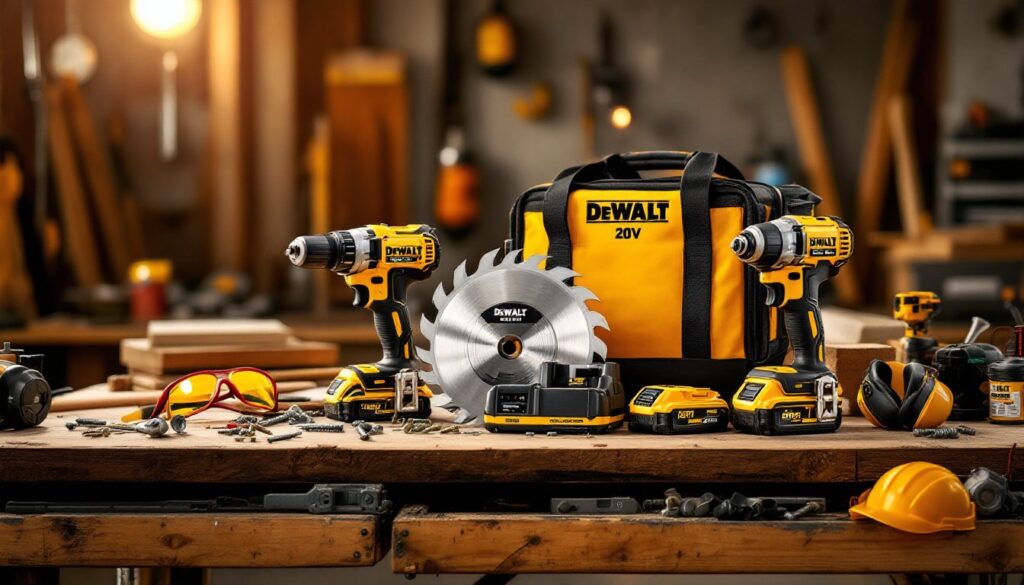
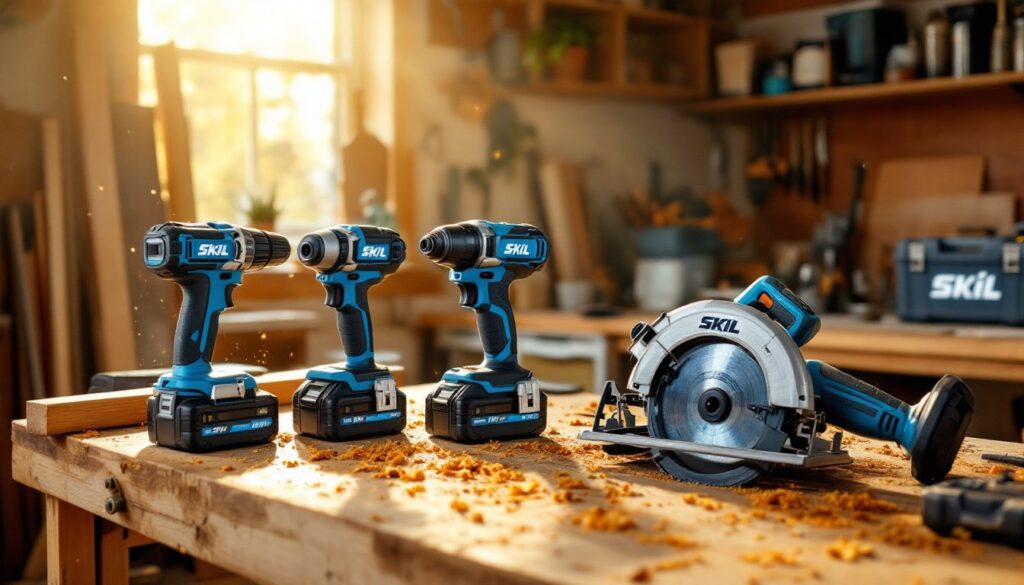
Hercules power tools sit in a sweet spot: they’re engineered for homeowner durability without the premium price tag of top-tier brands. The lineup includes cordless drills, impact drivers, circular saws, angle grinders, and more, all built with straightforward designs that prioritize reliability over flashy features.
One key advantage is the balance between power and weight. A heavy drill fatigues your arm on overhead tasks, while an underpowered one stalls when you hit resistance. Hercules tools tend to hit that middle ground, making extended projects less punishing. The batteries, typically lithium-ion, hold decent charge and work across their tool ecosystem, reducing the need to buy proprietary power stations.
Another reason DIYers choose Hercules is the honest spec sheet. When a tool is rated for a certain amp-hour capacity or torque output, you get what’s advertised, not inflated numbers. This predictability matters when planning projects. You know a 7-1/4-inch cordless circular saw will handle standard 2x lumber cleanly, and you won’t be caught off-guard mid-cut by underperformance.
Hercules also keeps parts and accessories readily available. Replacement blades, battery packs, and chargers are easy to find at most big-box retailers and online, which means your tools stay productive long after purchase. For the DIY crowd, that’s practical value.
Essential Hercules Power Tools for Your Workshop
Drilling and Fastening Tools
A cordless drill-driver is the workhorse of any home workshop. Hercules drills deliver ample torque, typically in the 300–500 pound-inch range, to drive 3-inch deck screws into pressure-treated lumber or bore clean holes in hardwood without binding up. Most come with a two-speed transmission: low speed for high torque (driving fasteners), high speed for faster drilling. A 1/2-inch chuck is standard and holds bits securely across typical diameters.
Impact drivers are a separate beast. They deliver rotational bursts that make driving long fasteners nearly effortless and prevent cam-out (the drill spinning wildly when the bit slips). If you’re hanging drywall, building a deck, or assembling anything with lots of screws, an impact driver cuts fatigue in half.
When buying either, check the battery capacity. A 1.3 Ah pack offers portability for light work: 2.0 Ah and above handle extended jobs without needing a swap. For a small home, one drill and one impact driver in your arsenal cover 90% of fastening needs.
Saws and Cutting Tools
A circular saw is non-negotiable for rough framing, decking, and crosscutting lumber. The 7-1/4-inch blade is the standard, it cuts through 2-inch nominal lumber (actual 1.5 inches) at 90 degrees with one pass. Cordless models from Hercules offer convenience over plug-in versions: you’re not tethered to an outlet or extension cord around the yard.
For miter cuts, angled rips, or precision work on trim, a miter saw does cleaner work and is faster than a circular saw. A 10-inch single-bevel miter saw handles baseboard, crown molding, and cross-grain cuts with minimal tearout. The laser guide on many Hercules models shows exactly where the blade will cut, a small feature that improves accuracy dramatically.
If you plan on regularly cutting metal (ductwork, steel studs, or removing fasteners), a Hercules angle grinder with a metal-cutting disc is invaluable. Use PPE without exception: safety goggles rated for high-speed debris, cut-resistant gloves, and a dust mask. Angle grinders throw sparks and particles at velocity, never skip protection. You can also swap in a grinding wheel for sharpening or a wire cup for rust removal, making it a multi-purpose addition.
Choosing the Right Hercules Power Tool for Your Project
Start by identifying what you’re actually building or fixing. A single interior door hang needs just a drill and driver. A 12-foot deck build demands a drill, driver, circular saw, miter saw (for angle cuts on railings), and probably an angle grinder (for cutting bolt hardware). Breaking the project into steps clarifies which tools you’ll reach for repeatedly.
Consider your workspace and storage. Corded tools need outlet proximity and cord management: cordless tools need charging infrastructure but free you from cables. If you’re working in a basement corner or an attic, mobility matters, cordless wins. If you’re stationary at a workbench or building a deck in your driveway near the garage, either works.
Battery ecosystem is underrated. Hercules tools share compatible batteries across drills, saws, and other models. Buying one drill and one saw that use the same 18V (or 20V) battery platform means you don’t accumulate orphaned chargers and packs. Budget for at least two batteries so one charges while you work with the other. Resources like Ana White and Instructables offer free project plans to help you test-drive the tools you’re considering on a beginner-friendly build.
Don’t skimp on accessories. A beveled blade for crosscuts (80-tooth for finishes, 40-tooth for rough framing), a set of quality drill bits, and a speed square cost $30–50 total but multiply your accuracy and speed. Read reviews specific to the model you’re eyeing: real users flag battery drain patterns, chuck wobble, or blade runout issues before you buy.
One more thing: if your project requires a permit or involves structural work (removing walls, sistering joists, electrical runs), rent or borrow professional-grade equipment or hire a licensed contractor. Home improvement stores stock the specialty tools for a reason, some projects demand them.
Maintenance Tips to Extend Your Tool’s Lifespan
Clean your tools after each use. Sawdust and debris pack into motor vents and battery contacts, restricting airflow and slowing charge cycles. A quick wipe with a dry cloth and, for deeper grime, a soft brush keeps things running cool and responsive.
Store batteries in a cool, dry place, not a hot garage in summer or a freezing shed in winter. Extreme temps degrade lithium-ion chemistry faster. If you won’t use a tool for weeks, remove the battery pack so it isn’t parasitically drained. Most Hercules batteries hold charge well, but stored packs lose 2–5% per month naturally.
Inspect chuck tightness monthly. A loose chuck causes bits to drift, ruining drill hole alignment and dial accuracy on fasteners. The tightening ring on a keyed chuck gives real mechanical feedback: tighten it firmly but don’t force it. Keyless chucks should grip a 1/4-inch bit so you can’t spin it by hand.
Replace dull blades promptly. A dull blade pulls the saw (forcing you to muscle it straight), generates heat that can warp teeth or melt the polymer binder, and increases kickback risk. Swap blades after each job if you’re cutting pressure-treated lumber, the chemicals dull teeth faster. A sharp 7-1/4-inch blade costs $12–20 new.
For cordless tools, verify battery contacts are clean. Corrosion creates resistance, which kills charging speed and run-time. If contacts look fuzzy or white, wipe them lightly with a dry cloth or pencil eraser. Don’t use water or solvent, moisture and electronics don’t mix. Finally, don’t overcharge batteries. Modern Hercules chargers have cutoff circuits, but leaving a fully charged battery plugged in for weeks wastes energy and stresses the cells. Top off and unplug within an hour.
One affordable way to maintain tool knowledge is consulting guides on platforms like Fine Homebuilding, they often review cordless saws in detail, helping you understand what to look for in function and durability.
Conclusion
Hercules power tools deliver honest performance and reliability for home projects at a price that doesn’t require financing. Whether you’re starting out or rounding out an existing collection, investing in a few core tools, a drill, driver, circular saw, and miter saw, covers the majority of DIY builds and repairs. Pair them with proper maintenance, and they’ll last years. The real secret to tool longevity isn’t brand mystique: it’s sharp blades, clean contacts, and honest care.