
Table of Contents
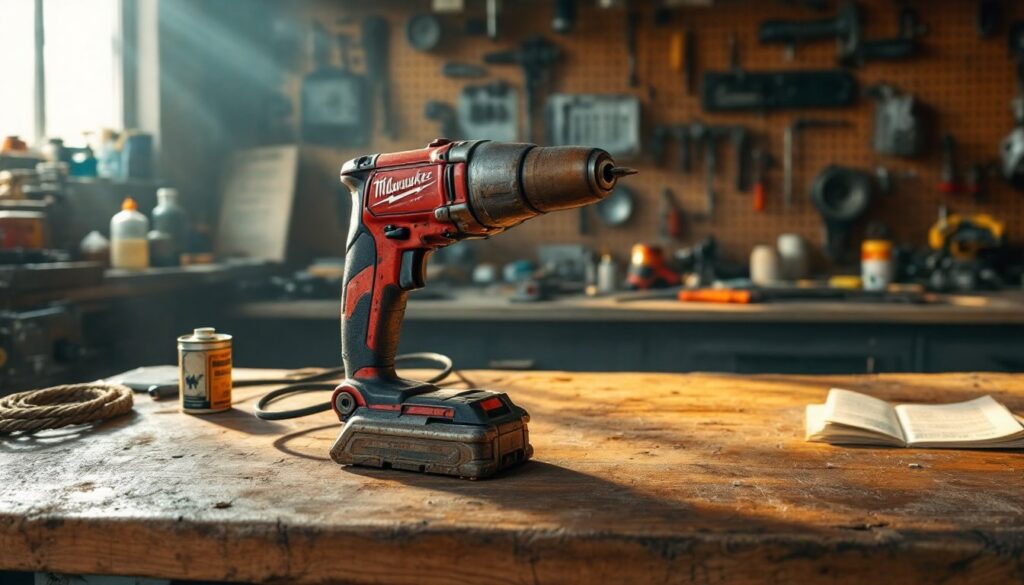
ToggleWalk into any longtime DIYer’s workshop, and you’ll likely find Milwaukee tools mixed in alongside newer equipment. These red-and-black power tools have earned their spot on workbenches for decades, some of them literally decades old. Whether you’ve inherited a vintage drill, picked up a used circular saw at a garage sale, or you’re curious about the brand’s reputation, understanding old Milwaukee tools matters. They often outperform newer budget equipment, and many are still worth restoring and using. This guide walks you through identifying older models, spotting what’s worth keeping, and bringing tired vintage gear back to life.
Key Takeaways
- Old Milwaukee tools from the 1970s–early 2000s often outperform modern budget equipment due to their all-metal housings, sealed bearings, and straightforward mechanical designs that prioritize durability.
- Identify vintage Milwaukee tools by recognizing era-specific features like the red-and-black color scheme, model number formats, plug types, and nameplate styles to accurately date and assess their value.
- Before using any vintage Milwaukee tool, perform essential safety checks including inspecting the power cord and plug, testing the chuck and bearings by hand, and checking for surface rust or internal corrosion.
- Restore older Milwaukee equipment by gently cleaning with dry brushes and compressed air, addressing surface rust with brass brushes or fine steel wool, and replacing brushes or cords when necessary.
- Iconic vintage Milwaukee models like the 5300 series corded drill, 6252-20 models, and 1980s–1990s angle grinders remain highly sought after by collectors and DIYers for their proven reliability and repairability.
- Old Milwaukee tools are significantly easier to diagnose and repair than modern alternatives, with spare parts still available online and extensive repair knowledge accessible through forums and instructional videos.
Why Milwaukee Tools Remain a DIY Favorite
Milwaukee built its reputation on rugged, no-nonsense equipment designed for job sites and garages alike. The brand’s older models, produced from the 1970s through the early 2000s, represent an era when tool manufacturers prioritized durability over planned obsolescence. Many vintage Milwaukee pieces are heavier, feature all-metal housings, and use straightforward mechanical designs that don’t rely on complex electronics.
These traits matter. A vintage Milwaukee drill with a metal chuck and sealed bearings will often outlast a modern budget drill by years. The corded models, in particular, deliver consistent power without worrying about battery degradation. Many DIYers prefer older Milwaukee tools precisely because they’re simpler to diagnose, repair, and maintain. Parts are still available from online suppliers, and repair knowledge remains accessible through forums and instructional videos.
Milwaukee’s limited lifetime warranty, even on older models, reflects the company’s confidence in its engineering. That heritage carries weight in the used tool market. Vintage Milwaukee corded drills, angle grinders, and circular saws command respect because they’ve proven themselves over thousands of hours of actual use.
How To Identify Vintage Milwaukee Tools
Recognizing Era-Specific Design Features
Milwaukee tools from different decades display distinct visual and mechanical signatures. Learning to spot them helps you date your tool and assess its potential value and repairability.
The 1970s–1980s era tools carry the classic red-and-black color scheme with bright metal accents and heavy-gauge steel housings. Look for model numbers starting with simple digits (e.g., 5312, 6250) and minimal plastic components. Grip sections are often bare metal or thin rubber wrapping. The power cords are cloth-covered or early PVC, typically quite stiff with age.
1990s–early 2000s models introduced more ergonomic rubber grips and plastic side panels, but maintained the core metal frame design. You’ll notice model numbers become alphanumeric (e.g., 6510-21, 5375-20). These tools often have a rounded, slightly more refined look compared to their boxier predecessors, yet still weigh considerably more than modern equivalents.
Check the nameplate and serial number stamped or embossed on the tool housing. Milwaukee’s format changed over time, earlier tools show just “Milwaukee Electric Tool Co.” while later ones say “Milwaukee Electric Tool Corporation.” The serial number’s position and format can narrow down the manufacturing decade. Online Milwaukee tool databases and collector forums let you cross-reference model numbers with production years.
Examine the plug type. Older ungrounded two-prong plugs date a tool to the pre-1970s era. Three-prong grounded plugs became standard in the 1970s. If a tool has been retrofitted with a modern plug, note that it’s been modified, sometimes a sign of care, sometimes hiding damage.
Restoration Tips for Older Milwaukee Equipment
Cleaning, Rust Removal, and Safety Checks
Before plugging in a vintage Milwaukee tool, it needs a thorough inspection and restoration. Dust, corrosion, and dried lubricant can hide serious issues, or simply prevent the tool from working at all.
Start with a visual assessment and gentle cleaning. Use a dry brush, compressed air, and a soft cloth to remove dust and debris from vents, around the motor cooling fins, and inside the chuck area. Never soak older tools in water, especially if you’re uncertain about internal corrosion or gasket condition. For stubborn grime, a slightly damp cloth works, but keep moisture away from the motor housing and power cord.
Address surface rust with a brass brush or fine steel wool (0000 grade). Work gently, you’re removing oxidation, not reshaping the tool. For heavier rust on metal housings, fine-grit sandpaper (220–320) or a wire brush attachment on a rotary tool can help, but don’t overdo it and remove all the patina if the tool is a collectible piece. If rust has pitted deep into metal or compromised structural integrity, that tool may not be safe to restore.
Test the power cord and plug thoroughly. This is non-negotiable. Look for cracks, missing insulation, or burns in the jacket. If the cord is cloth-covered and frayed, or if the plug shows scorch marks, the tool needs a cord replacement before any use. Many electronics shops and tool repair centers can install a new grounded cord, a modest investment for safety. Never use a tool with a damaged cord, regardless of age or sentimental value.
Check the chuck, bearings, and moving parts by hand with the tool unplugged. Grasp the chuck and rotate it gently to feel for grinding or excessive play. Spin the arbor by hand (if it’s designed to move freely) and listen for binding. These simple tests reveal bearing issues or internal corrosion that could make the tool unsafe or ineffective.
If the tool has been sitting unused for years, the motor brushes may be stuck or worn flat. Older Milwaukee tools often have user-replaceable brushes, a small maintenance task that can resurrect a non-spinning motor. Brush kits are inexpensive and widely available online. Follow the manual or a video tutorial to access the brush covers and swap them out.
Apply light machine oil or light penetrating oil to pivot points, chuck jaws, and the arbor bearing where the bit or blade mounts. Do not oversaturate, a light film is enough. Let the oil sit for an hour, then rotate the chuck and moving parts gently to distribute it. This lubricates internal mechanisms and helps free up corrosion-stiffened joints.
Once restored, test the tool in a safe environment before putting it to work on your project. Plug it in, listen for unusual noises (grinding, squealing, rattling all signal trouble), and let it run idle for a minute. If it hums smoothly and feels balanced, you’re likely good. If it chatters, vibrates excessively, or makes grinding sounds, stop immediately and investigate further or consult a repair professional.
Popular Vintage Milwaukee Models Worth Collecting
Several Milwaukee models have earned legendary status among tool collectors and working DIYers. Knowing which ones are prized helps you understand what you’re working with.
The 5300 series corded drill (introduced in the 1970s) is arguably the most iconic Milwaukee hand drill ever made. Available in 3/8-inch and 1/2-inch chuck sizes, these tools are nearly indestructible. They’re heavier than modern cordless drills but deliver rock-solid torque and accuracy. Many still work flawlessly after 40+ years of regular use. Finding one at an estate sale is a genuine score.
The 6252-20 and 6252-21 models are beloved 1/2-inch variable-speed drills from the 1990s. They’re known for smooth operation, precise speed control, and excellent ergonomics, a sweet spot between vintage durability and usability. Collectors seek these, but they’re also genuinely useful for everyday drilling, mixing paint, and driving fasteners.
Milwaukee’s angle grinders, particularly the 4-1/2-inch models from the 1980s–1990s, remain workhorses for grinding, cutting, and polishing tasks. These corded units are simpler and more repairable than modern equivalents, and many professionals still prefer them.
The 6251 series 1/2-inch drill-drivers and their variants are prized for their balance of power and control. These tools handle masonry bits, spade bits, and augers without complaint. Woodworkers and remodelers often search for these on the used market because they’re more reliable for aggressive drilling than lighter, newer alternatives.
Collectors also track down vintage Milwaukee reciprocating saws, belt sanders, and orbital sanders. The brand’s commitment to heavy-duty construction makes even lesser-known models worth restoring. Online communities dedicated to vintage hand and power tools share pricing guides, reproduction manual PDFs, and restoration tips. Reputable sources like This Old House rank Milwaukee among the best tool brands overall, highlighting the brand’s legacy and the continued trust placed in both vintage and current equipment.
Conclusion
Old Milwaukee tools represent honest engineering and a philosophy of building equipment that lasts. Whether you’re restoring a family heirloom drill or evaluating a used angle grinder from a pawn shop, the principles remain the same: inspect carefully, clean thoroughly, test safely, and respect the tool’s history. Many vintage Milwaukee pieces will outlast the budget tool you could buy today, and they’re far easier to repair when something does wear out. With patience and the right approach, your vintage Milwaukee equipment can keep working for another generation.