
Table of Contents
ToggleIf you’ve been shopping for cordless garden tools, you’ve probably noticed Milwaukee’s name popping up everywhere from hardware stores to serious DIY forums. That’s not hype, it’s reputation built on rugged design and honest performance. Milwaukee garden tools bring the same reliability that contractors trust on job sites to backyard projects: trimming hedges, drilling fence posts, cutting firewood, and tackling landscaping work without the tether of extension cords or the smell of gas fumes. Whether you’re a weekend warrior or someone who just wants tools that won’t quit halfway through the season, understanding what Milwaukee offers and how to match their lineup to your actual needs will help you spend smart and work smarter.
Key Takeaways
- Milwaukee garden tools leverage professional-grade contractor technology, delivering reliable performance and durability for backyard projects without the hassles of gas or extension cords.
- The M18 and M12 battery ecosystem provides cross-compatibility with existing Milwaukee drills and power tools, saving money and eliminating the need to manage multiple charging systems.
- Start small with essential Milwaukee garden tools like a cordless drill-driver and string trimmer combo kit, then add specialized tools as your landscaping projects demand.
- Battery capacity (measured in Ah) matters more than voltage—a 5.0 Ah or 6.0 Ah battery delivers triple the runtime of a 2.0 Ah battery, making it essential for extended yard work.
- Milwaukee garden tools cost more upfront but hold long-term value through consistent performance and durability, paying for themselves within two to three seasons compared to budget-brand alternatives.
- Proper maintenance—rinsing blades after use, storing tools dry indoors, and storing batteries at half-charge during winter—maximizes the lifespan and resale value of your Milwaukee investment.
Why Milwaukee Stands Out in the Garden Tool Market
Milwaukee isn’t a garden-exclusive brand, they’re primarily known for professional-grade power tools, and that pedigree shows in their cordless garden lineup. Because Milwaukee already had decades of experience building tough drills, saws, and impact drivers for contractors, they didn’t start from scratch when entering the garden market. They adapted proven motor technology, battery platforms, and ergonomic handles to outdoor tasks.
One major advantage is the M18 and M12 battery ecosystem. If you already own a Milwaukee drill or circular saw, you can buy a garden tool that shares the same batteries. This cross-compatibility saves money and eliminates the frustration of managing multiple charging systems, a real pain point with single-brand ecosystems that force you to buy duplicates.
Milwaukee also invests heavily in brushless motor technology. Unlike older brush motors, brushless designs run cooler, last longer, and squeeze more runtime from the same battery. When you’re cutting through branches or churning soil, you notice the difference in consistency and durability. Also, Milwaukee publishes actual runtime specs and doesn’t fudge numbers, a trait rare enough in the cordless tool world that it bears mention.
Essential Milwaukee Garden Tools Every DIY Homeowner Should Consider
Cordless Drills and Drivers for Garden Projects
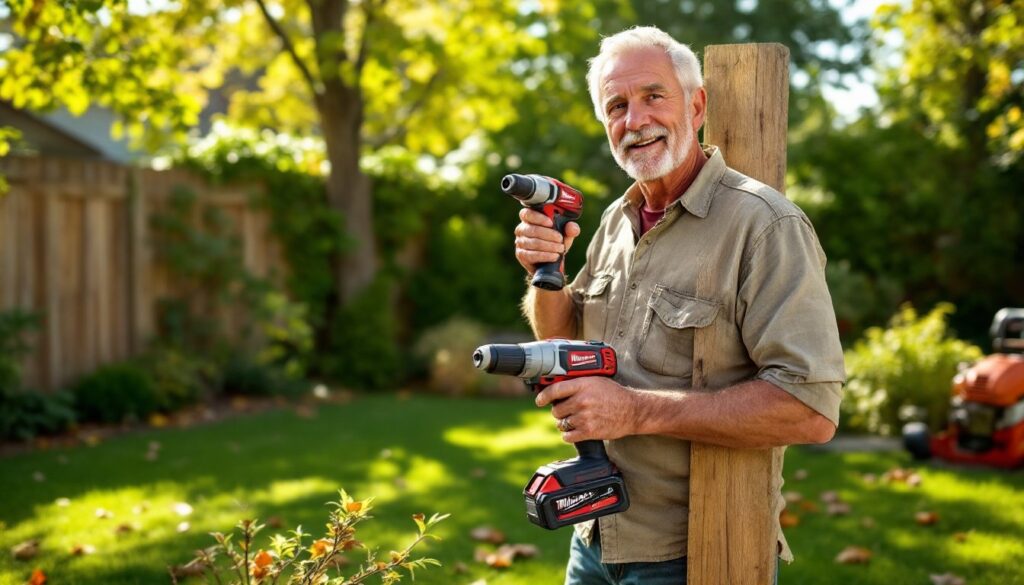
A cordless drill-driver is the workhorse for outdoor tasks: assembling raised beds, installing deck screws, drilling post holes for fencing, and mounting hardware. Milwaukee’s M18 compact drill-driver delivers sufficient torque for most garden jobs while staying light enough for overhead work (like hanging a bird feeder without arm fatigue). For heavier duty, sinking lag screws into 6×6 posts or boring large holes for fence footings, the M18 impact driver is faster and less tiring than a standard drill because it delivers rotational impacts that reduce your physical strain.
These drills handle variable speed, which matters when you’re adjusting fastener depth in composite deck boards or driving into soft soil without wandering. Runtime on a single charge ranges from 45 minutes to over an hour, depending on the tool model and battery capacity you choose.
Chainsaws and Hedge Trimmers for Yard Maintenance
Milwaukee’s cordless chainsaws (typically M18 or M12 models) are genuinely compact compared to gas chainsaws, making them ideal for homeowners who occasionally need to fell small trees, buck firewood, or prune larger branches. No spark plug maintenance, no fuel smell, no cold-start hassles. The trade-off is power: they’re not for commercial logging, but they’ll handle a weekend’s worth of yard cleanup without complaint.
For hedge trimmers and string trimmers, Milwaukee offers single-blade and dual-blade options. The dual-blade hedge trimmer cuts both directions, speeding up work and reducing fatigue. String trimmers work best for edge cleanup and light undergrowth: they’re quieter than gas alternatives and require zero fuel management. Blade-based trimmers give you cleaner cuts on woody growth, making them the better choice if you’re maintaining formal hedges or shrub borders. Consider garden planning and landscaping tips from Better Homes & Gardens to pair your tool selection with a cohesive outdoor design strategy.
Choosing the Right Milwaukee Tools for Your Garden Needs
Before buying, walk through your actual yard tasks and match them to tools rather than buying everything in the catalog. Ask yourself: How often do I trim hedges? Am I cutting firewood, or just removing dead branches? Do I need to drill multiple fence posts annually, or is this a one-time project?
Starting small is smart. A basic M18 drill-driver and string trimmer combo kit gives you two essential tools and usually costs less than buying them separately. Many kits include one or two batteries and a charger, so you’re ready to work immediately. From there, add tools as your projects demand.
Consider runtime requirements for your climate and season. Summer hedge trimming on a quarter-acre lot demands 60+ minutes of continuous runtime: Milwaukee’s larger capacity batteries (5.0 Ah or higher) are worth the extra cost here. Winter cleanup of scattered branches? A smaller 2.0 Ah battery suffices because the job’s shorter and you’re not fighting dense growth.
Also think about ergonomics. Hedge trimmers and chainsaws deliver vibration and recoil: lighter isn’t always better if it sacrifices balance. Milwaukee designs their garden tools with anti-vibration features and padded handles, try before buying, or read user reviews from people with similar build and strength. You can find detailed guidance on choosing appropriate tools for your DIY skill level on home improvement resources.
Battery Compatibility and Runtime Considerations
Milwaukee’s battery system is its biggest practical advantage. The M18 platform (18 volts) powers everything from drills to chainsaws and is fully backward and forward compatible across their product line. If you buy an M18 drill today and a chainsaw next year, they use the same batteries. This matters for resale too: your tools hold value because the battery platform isn’t disappearing anytime soon.
Battery capacity matters more than voltage. A 2.0 Ah battery is compact and charges fast but depletes quickly under load. A 5.0 Ah or 6.0 Ah battery delivers triple the runtime but weighs more and takes longer to charge. For serious gardeners, owning two larger batteries and a fast charger means you always have one charging while you work with the other.
Runtime varies wildly by tool. A string trimmer sips power and can run 90+ minutes on a 5.0 Ah battery: a chainsaw gulps it and might deliver 30–40 minutes of cutting. Milwaukee publishes these specs, so check the product sheet before assuming a battery will cover your longest job. Cold weather reduces runtime by up to 30%, important if you’re working in fall or spring cleanup seasons. Store batteries indoors and allow them to warm to room temperature before charging in frigid conditions to protect cell longevity.
Making Your Milwaukee Tools Investment Worthwhile
Milwaukee garden tools cost more upfront than budget-brand alternatives, but they hold value because they last longer and perform consistently. A $200 drill-driver might seem steep versus a $60 unknown brand, but if it runs reliably for five seasons instead of two, you’ve already saved money on replacement costs.
To maximize your investment, treat these tools like professionals do: rinse blades and deck after use (especially after cutting wet grass), store them indoors and dry, and check bolts and fasteners seasonally. Cordless tools don’t need the winter fuel and spark-plug maintenance of gas equipment, but they do need occasional attention. If you’re storing tools for winter, remove batteries and charge them halfway: storing fully depleted or fully charged batteries in unheated spaces shortens their lifespan.
Milwaukee also backs their tools with a 5-year limited warranty on the tool body and a 3-year warranty on batteries (varies by region). Register your purchase to activate extended coverage in some cases. If a tool fails, warranty support exists, not always a given with lesser-known brands.
Use proper PPE when operating any garden tool: safety glasses or a face shield when trimming, hearing protection with chainsaws or high-speed trimmers, and heavy gloves when handling sharp blades or running chainsaws. A garden tool moves fast enough to cause real injury, and no time-saving is worth a trip to urgent care. For additional guidance on seasonal maintenance and landscaping projects, explore home improvement and design inspiration from established DIY resources.
End by being honest about your actual use. If you trim hedges twice a year and drill a handful of holes annually, Milwaukee’s premium tools are probably overkill, a mid-tier brand covers the job adequately. But if you’re the person who takes pride in maintained grounds and works year-round on your property, Milwaukee’s reliability and battery ecosystem justify the investment.